The title sounds like a night in each tent. It is not. Wonders Plus Editors have not published a sleep test here. “What holds up” in this piece means what the structure is asking the stakes, the fly, and the weather to do, based on how these shapes are built. Materials knowledge is not a field diary. The hands-on box is empty on purpose until someone files a dated night.
Who it is for
Read this if you are choosing a shape, not a logo, under a few hundred dollars. Read the under-$300 buyer’s guide if you already know you want an air tent and you want the shopping criteria. Read the $200 versus $400 piece if the question is whether to save up.
How to read “overnight”
Overnight failure on budget tents is rarely mysterious. Air beams lose pressure and the wall sags into the mesh. A square cabin presents a flat face to the wind and walks if the guys are decorative. A tunnel survives better when it is low and fully guyed, and it fails when the long side is bare. A poled dome has less room and fewer air leaks. A hex inflatable often turns out to be a shade structure with a floor sold as an idea.
None of that requires a fabricated score. It requires you to look at fly coverage, stake count, and whether the floor is in the box.
The four shapes
Pick 1
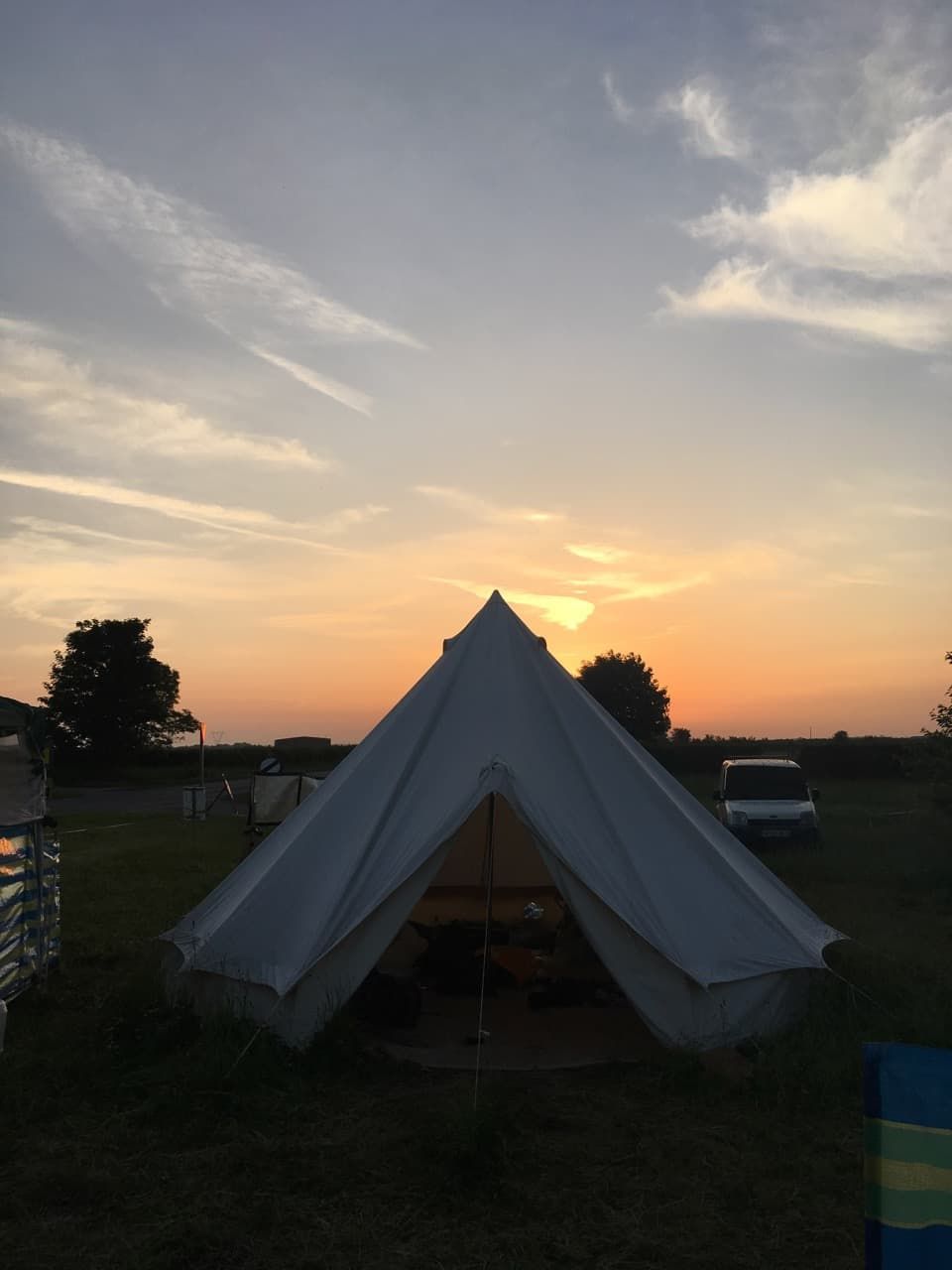
Budget air cabin, about $180–260
Best for. Calm nights when you want walls
Air cabins feel generous and move in gusts. What 'holds up' is stakes, a fly, and beams that take a top-up, not the word glamping.
Look for
- Air beams with a repair kit
- Vertical walls
- Full stake-out
Strengths
- Fast once the pump works
- Room to stand
Limits
- Wind loads the panels
- Beams soften overnight
This comparison is from listed construction, not a night we slept in it.
$180–260
Check the current price.
Check price for Budget air cabin, about $180–260 (opens in a new tab)
Pick 2
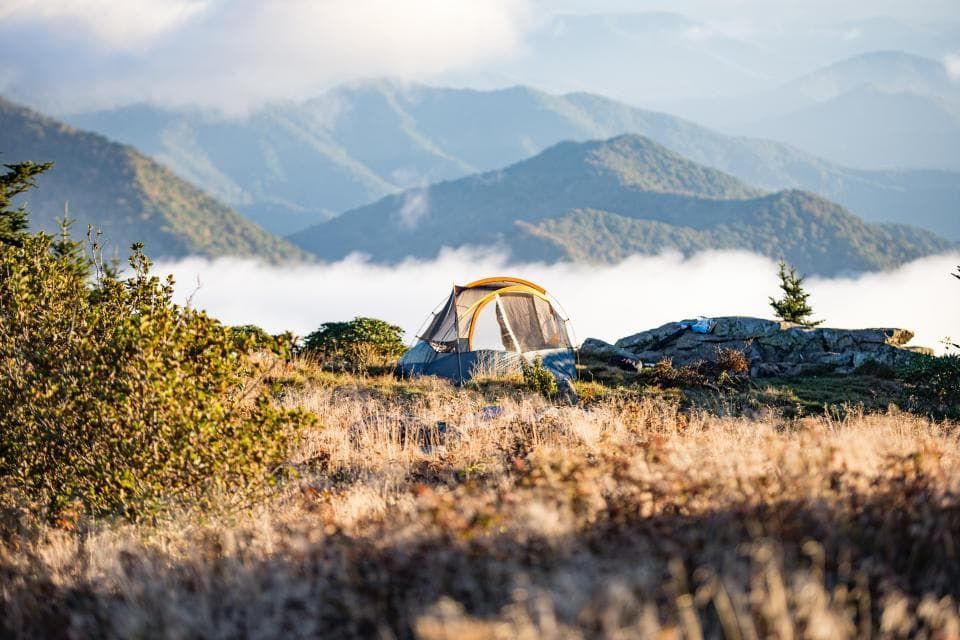
Budget air tunnel, about $170–250
Best for. Rain, if the pitch is long enough
Tunnels usually shed rain better than a square cabin because the shape is lower. They fail when people skip the side lines.
Look for
- Long footprint
- Porch that zips
- Multiple guy points
Strengths
- Wet living area
- Lower profile than a cabin
Limits
- Side-on wind
- More pegs to lose
A tunnel without the windward guys is the one that folds.
$170–250
Check the current price.
Check price for Budget air tunnel, about $170–250 (opens in a new tab)
Pick 3
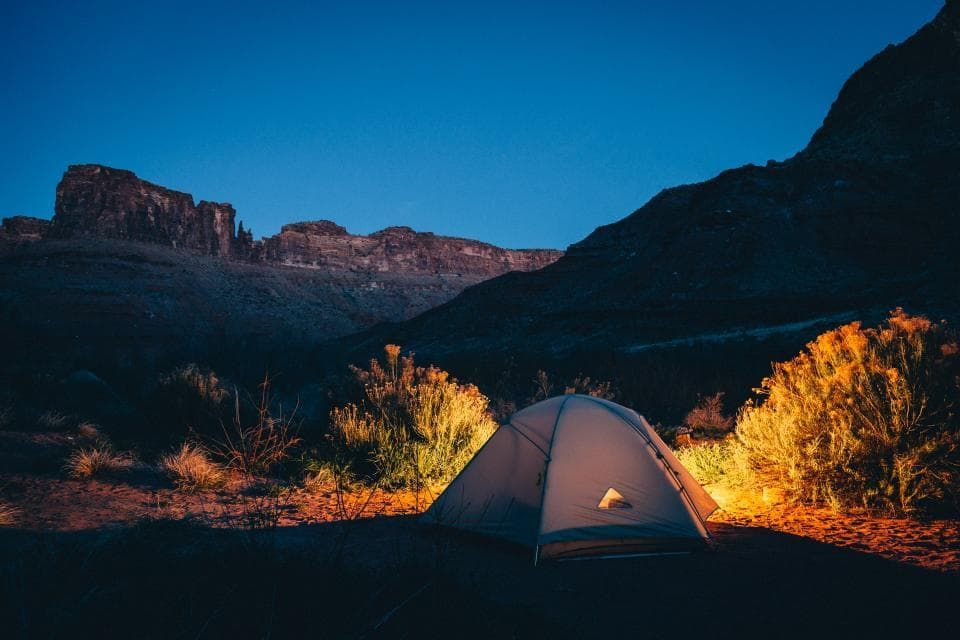
Poled dome in the same budget, about $80–160
Best for. Two people who will trade headroom for a smaller pack
Include a poled dome in the comparison so the air tent has to earn its price. The dome is what you take when the air tent stays in the garage.
Look for
- Fiberglass or steel poles in a diagram
- Full fly, not a partial cap
- Floor area for two, not a fictional four
Strengths
- Fewer air leaks to worry about
- Lighter and cheaper
Limits
- Less headroom
- Poles splinter if stepped on
A $100 dome is not a failed glamping tent. It is a different tool.
$80–160
Check the current price.
Check price for Poled dome in the same budget, about $80–160 (opens in a new tab)
Pick 4
Hexagonal inflatable shelter, about $150–240
Best for. Daytime shade that might become a bedroom
Hex inflatables look like a room in photos and behave like a gazebo if the floor and fly are thin. Read which parts are included.
Look for
- Straight count of air legs
- A floor that is actually attached
- Window covers
Strengths
- Open feeling
- Quick for a backyard trial
Limits
- Often a shade structure first
- Weak in weather if the floor is optional
If the floor is sold separately, price that in.
$150–240
Check the current price.
Check price for Hexagonal inflatable shelter, about $150–240 (opens in a new tab)
| Shape | Usually fine | Usually the failure |
|---|---|---|
| Air cabin | Calm, dry, short stays | Wind on the flat panels, soft beams by morning |
| Air tunnel | Rain, if the pitch is long and guyed | Side wind, skipped lines |
| Poled dome | Two people, simpler weather | Headroom complaints, a broken pole section |
| Hex inflatable | Shade, backyard, still air | Optional floor, thin fly, any real wind |
What we will not claim
We will not claim a winner by hours of rain or a made-up waterproof rating. Listings that say “waterproof” without a coating, a seam tape note, or a hydrostatic head are using a mood. If a number is printed, treat it as the seller’s number, not ours.
We also will not claim these are safe in a storm. Leave. A budget tent is not a refuge.
Packing and the next morning
Whatever you buy, dry it before the bag. Pack the window clean. Put the pump and the pegs in the same box so the next trip is not a hunt. If a beam will not reinflate, that is a return while the window is open, which is harder if the tent came from overseas. Read the ordering explainer before a bulky purchase.
Common questions
So which one holds up?
In ordinary wind and rain, a fully guyed tunnel or a modest poled dome is the more forgiving shape. An air cabin holds up as a place to stand when the air stays in it and the night is calm. A hex holds up as shade.
Why include a dome that is not glamping?
Because the word is doing sales work. The dome is the control. If you only need sleep for two, the air cabin has to justify its weight and its price against that dome.
Can I add a footprint and call it solved?
A smaller-than-floor footprint helps abrasion and mud. It does not fix a missing fly or a beam that leaks. Buy it, and still stake the tent.